African America and South America
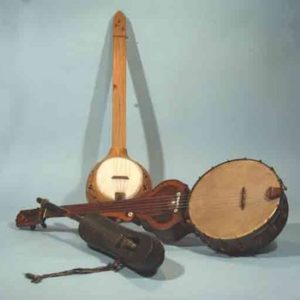
The banjos is a popular musical tastes in the African Americans culture. Caribbean created the banjo in the 17th century and carried it to the North America in the 18th century. Banjos rang in Barbados, Antigua, St. Kitts, St. Criox, Suriname, and Haiti in the 1700s and early 1800s. New banjos without drone strings and played with flat picks arose in the 20th century: tenor banjos, tuned like violas, six-strings guitar banjos, mandolin banjos, and plectrum banjos, modeled on the five string banjo without the fifth string.
South Americans came by the Natives of South America, the Spanish and the Africans who came to South America as slaves. The region in and around Andes including the countries of Peru Bolivia, Argentina, and Chile have a diverse range of musical traditions. South America music makes up the daily lives of the people. The traditional music of Andes is called Huayno which is popular for its use of pan flutes. The instruments used in South American music are pan pipes, flutes, rattles, guitar, a native guitar charango and the drum.
The dance styles of hundreds of African ethnic groups merged with European dances, forming the extension of the African aesthetic in the Americas. African Americas sang and danced while working as slaves, and as they converted to the religious of the Americas, they incorporated these traditions into these religions. Blacks who worked in the colonies of Spain, Portugal, the Caribbean, and South America were given more freedom to dance than enslaved Blacks in North America. Some dance trends that were popular in the African Americans were the Charleston, the Lindy Hop, the Jitterbug, and the Twist. One of the earliest black dances in the new world was the juba. The Juba dance was originally from West Africa.
I think the sound of a banjo is very unique and can definitely tell the difference from any other string instrument. I like music with banjos. I find it so neat that flute can make a piece of music seem so settle and comforting. You would think this type of dancing who disappear as the generations got "hipper" but if you really look at it, it is still kind of the same or very close.
ReplyDeleteI as well like the sound the banjo produces. I like how you included the background of the flute and how it was brought to South America! I love the videos you included especially the Charleston.
ReplyDeleteMy grandfather actually just bought a banjo and is teaching himself how to play. I haven't been home yet to hear him, but reading this definitely amped up my excitement to do so.
ReplyDeleteI've always loved South American music. Something about it sounds so free; I could listen to it for hours.
The origins of the banjo was very interesting! Talk about syncreticism! The different dances that spawned out of the blues was really cool to read about and watch!
ReplyDeleteOh, I'm so glad you included the dance videos at the end. My daughter did many years of competitive dance before moving in a different direction last year, and she was just talking a couple of days ago about how she'd like to learn some of those dances from the 20s & 30s--like the Charleston. I'll have to show them to her!
ReplyDeleteWow, I learned to do the Charleston...a much simpler version, when I was younger after watching a random Youtube video. I had no idea that that is where it came from! It so strange that they had restrictions on dancing.
ReplyDelete